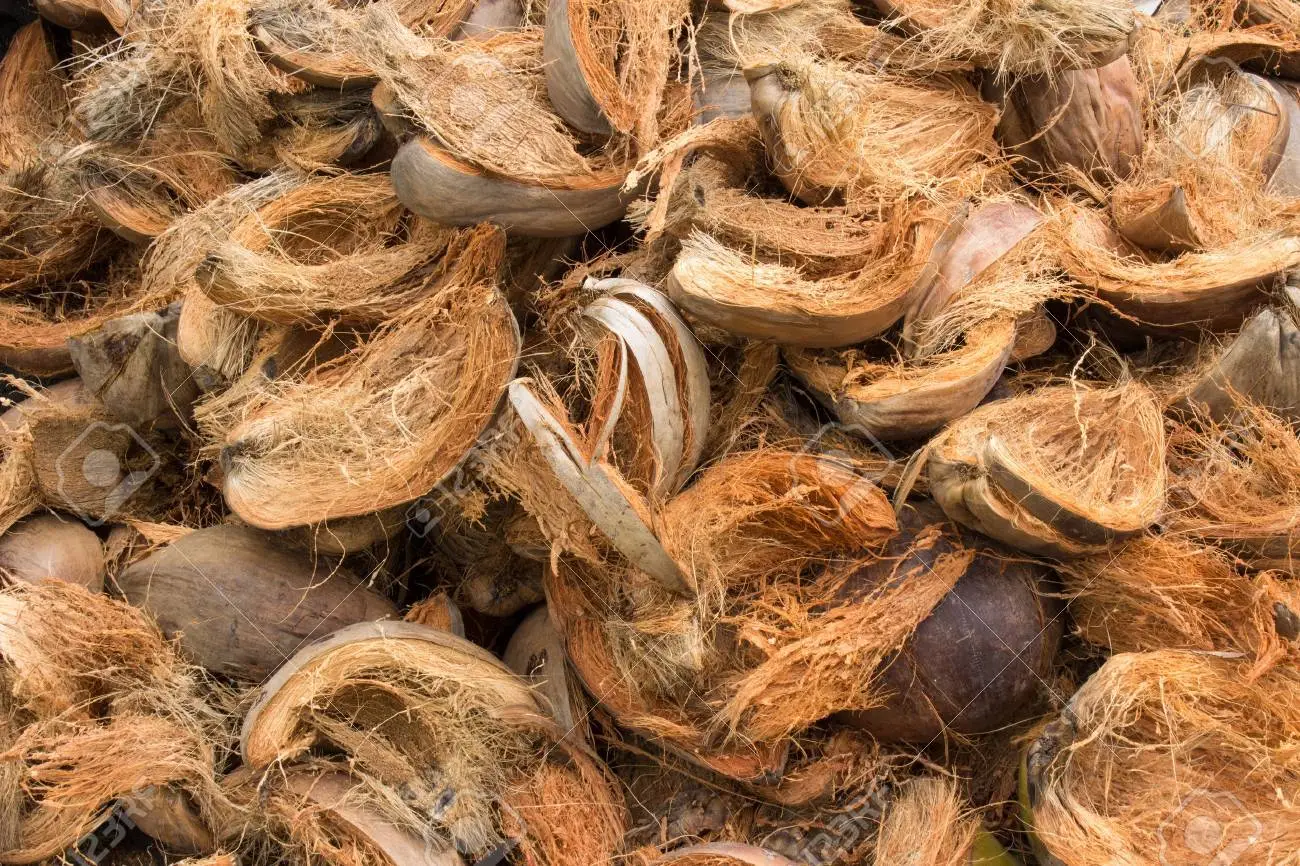
A sustainable foundation for modern horticulture
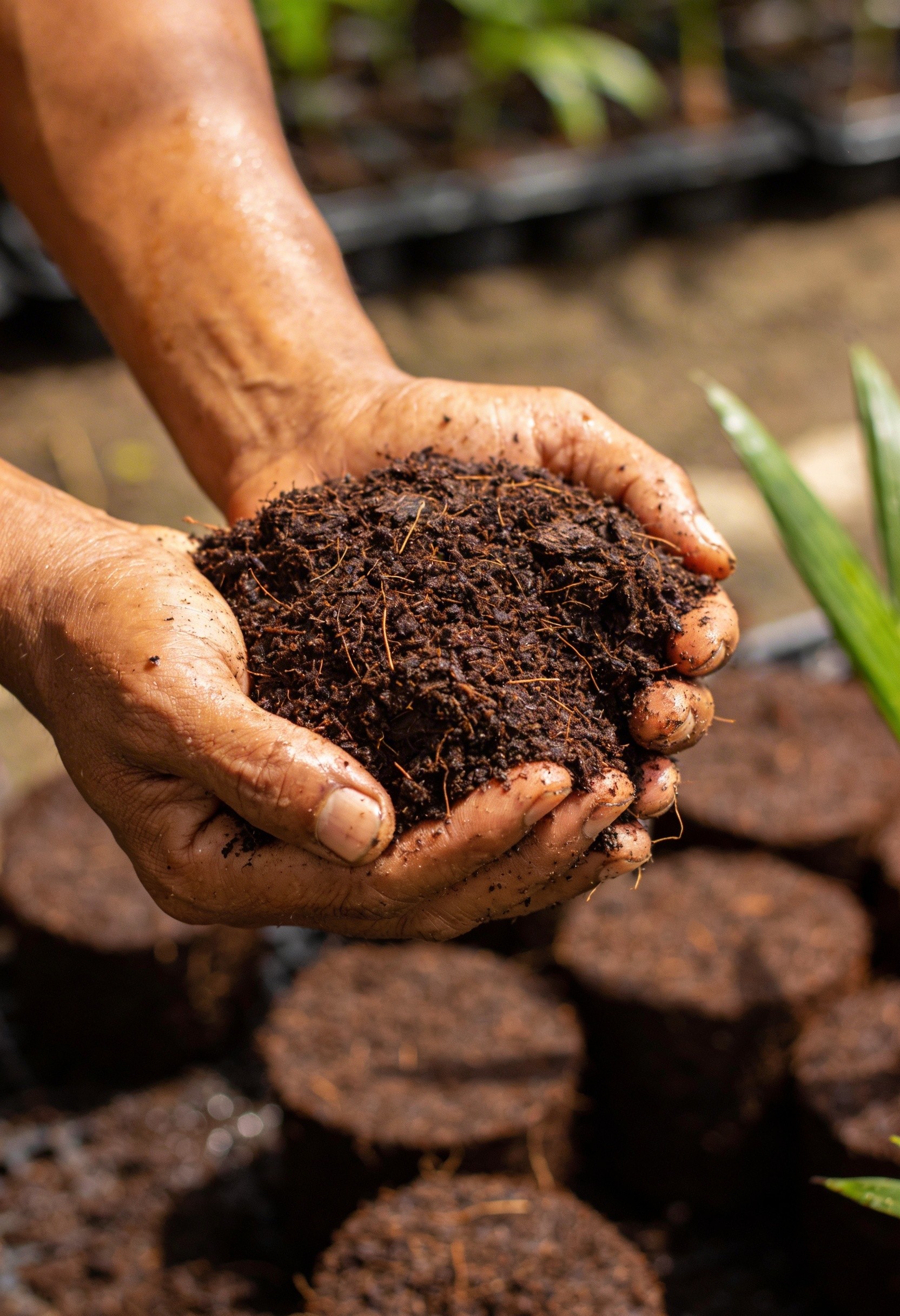
Coconut substrates are naturally rich in organic matter and carbon, contributing to improved soil structure and enhanced biological activity.
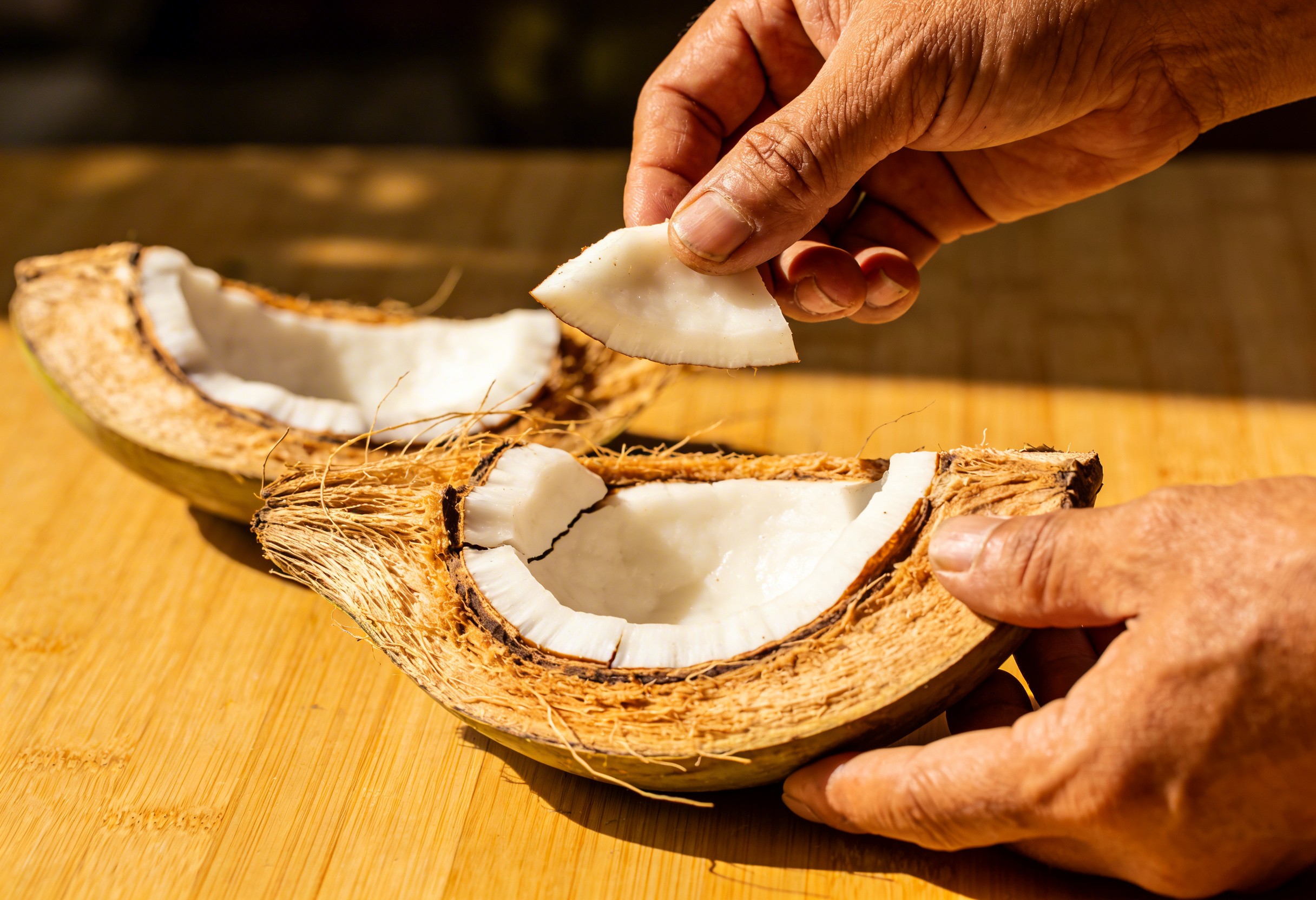
Alternative to Peat
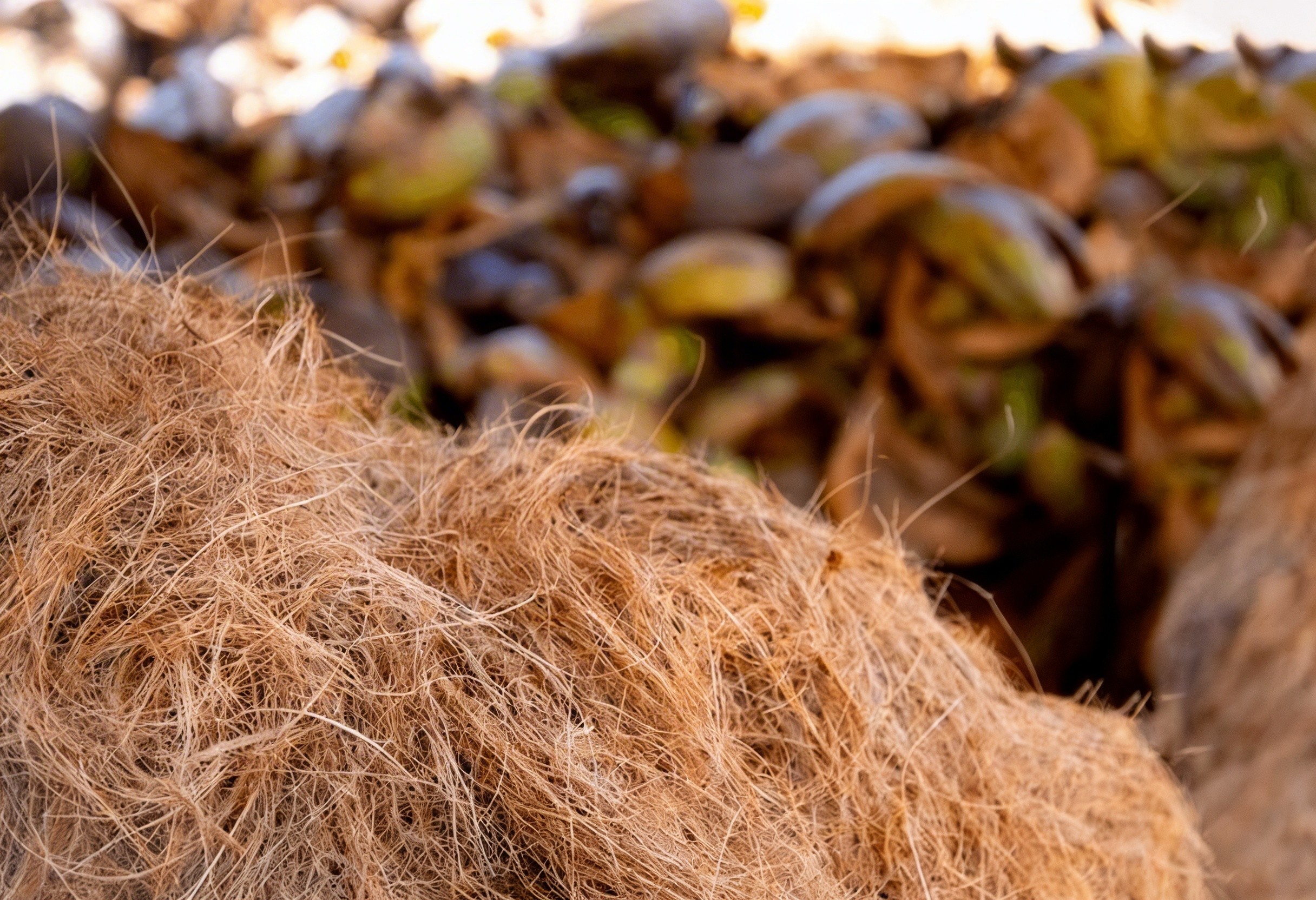
Coconut-derived growing media have become a preferred alternative to sphagnum peat in professional agriculture. As a renewable by-product of the coconut industry, coir materials offer long-term structural stability while supporting responsible resource use.
Their durability and resistance to rapid decomposition make them suitable for multi-cycle cultivation systems and large-scale commercial operations.
Structural Stability
Coconut substrates are naturally rich in organic matter and carbon, contributing to improved soil structure and enhanced biological activity. By fostering a balanced root environment, they support beneficial microorganisms such as fungi and bacteria that assist in nutrient mobilization and efficient root uptake.
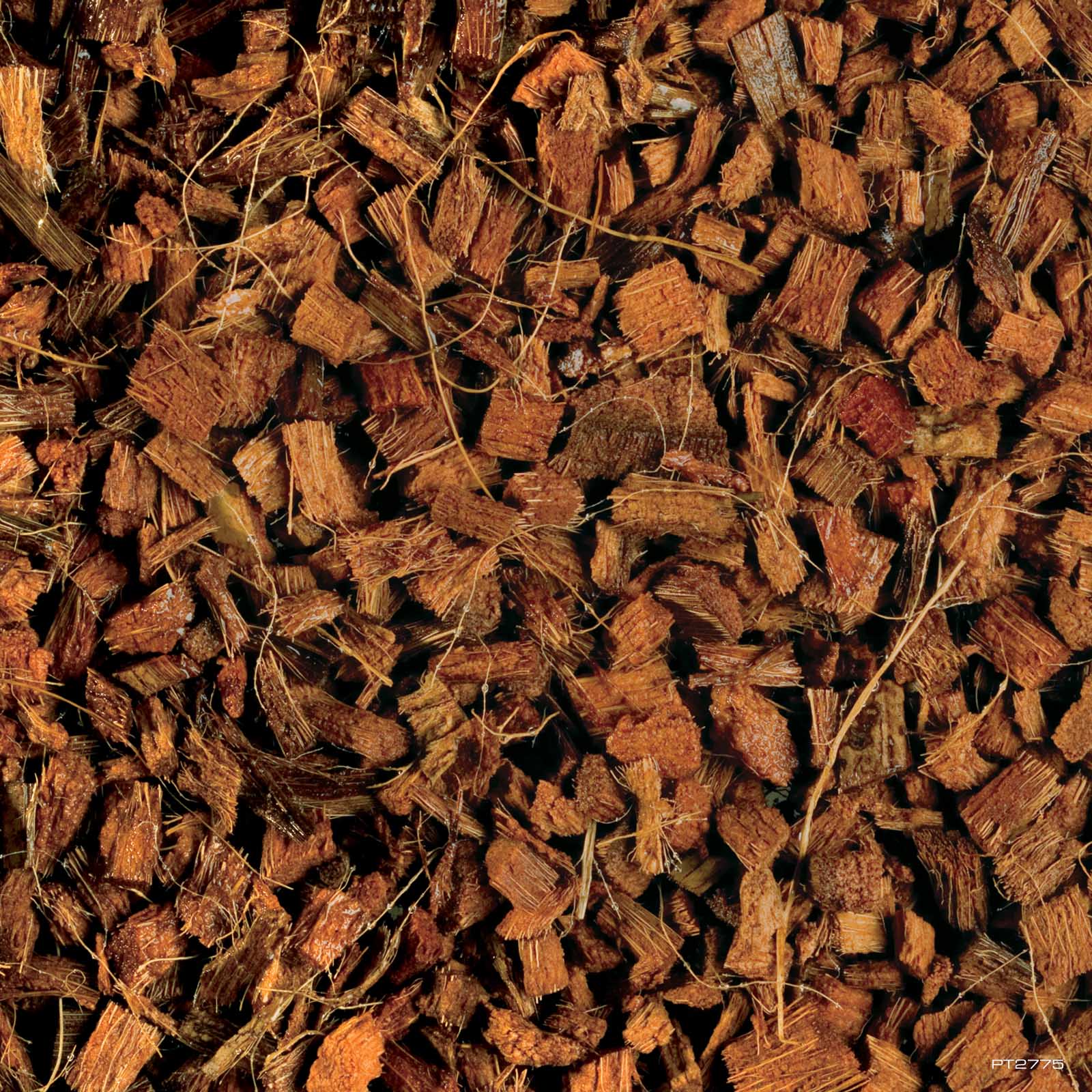
Compared to traditional peat-based media, coconut materials maintain greater physical stability over time. Their fibrous structure preserves porosity while regulating moisture levels, reducing compaction and ensuring consistent oxygen availability within the root zone — essential for uniform crop performance in professional cultivation systems.
Efficiency
Coconut substrates demonstrate strong nutrient buffering capacity, helping to retain applied fertilizers within the growing medium. This reduces nutrient leaching and limits the risk of groundwater contamination.
By improving fertilizer retention and availability in the root zone, coconut-based substrates support more efficient nutrient management practices, contributing to both agronomic performance and responsible environmental stewardship.